


Students at the Ballots: Voices from Maastricht’s 2026 Elections
Maastricht is a large student city, with 23.000 students coming here to study, live, and shape daily life. However, when it comes to political representation, this reality translates into few seats at the municipal table. In 2022, only 7% of municipal councillors in the Netherlands were under 30. The average councillor was over 50. Therefore, students are hardly represented in daily local politics.
This matters. Decisions on housing, mobility, safety, and public spaces directly affect students, yet these decisions are often made without their input.
However, in the 2026 municipal elections, a new group of students stepped forward. They joined political parties, ran campaigns, and attempted to bring a new perspective to local politics. Their parties even ended up in the top three of the results. This article follows three of them: Fleur Berden (D66), Ties Willems (CDA), and Lucas Maurer (GroenLinks).
Their stories reveal what it takes, as a student, to enter politics, what campaigning is like, and how election night results are received.
Fleur Berden (D66): Finding a Voice Between the City and Its Students
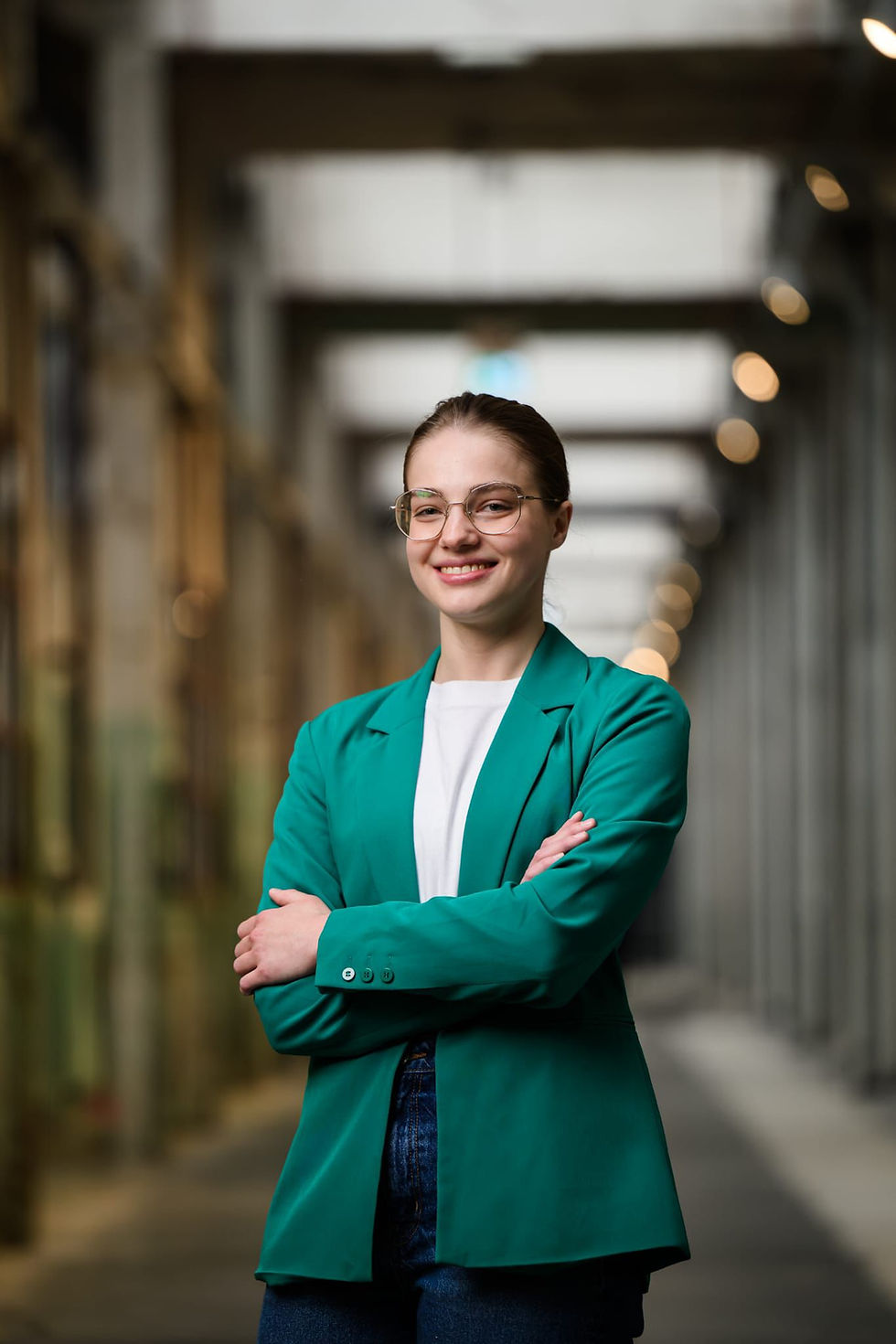
“Speak with students: don't just talk about them like they're a burden, but actively involve them in politics.“
At 23 years old, Fleur Berden is one of the young people entering local politics in Maastricht. A third-year Dutch law student and D66 candidate in the most recent municipal elections, she began her campaign with a clear sense of urgency. Despite forming a large part of the city's population, students remain underrepresented and often unheard.
Her path into politics was not driven by a single moment, but by a long-standing awareness shaped at home. “I was always taught that it's very important to speak up if you see any kind of injustice happening,” she explains. This sense of responsibility intensified during the pandemic, when she witnessed what she describes as "the first moment I saw the far right rising" and felt that "everything we fought for in terms of equality was being attacked".
Before joining D66, Fleur was in a more conservative political environment, but it did not feel right. What drew her to D66 was its flexibility: “You don’t have to be really left-wing or really right-wing... you can form your own opinion on different subjects as they arise”. For her, politics is not about fitting into ideological boxes, but about responding to real problems as they emerge.
Campaigning Between Two Worlds
During the campaign, Fleur found herself navigating between two very different groups: long-term residents and students. Through canvassing and debates, she encountered people who had lived there all their lives, as well as students whose needs often diverged sharply.
This duality shaped her approach. While she initially focused strongly on student participation, she quickly understood the limits. "Focusing solely on students can create blind spots for those who witness the city's transformation," she reflects. Instead, she adapted her message, aiming to bridge concerns rather than reinforce divides.
One of her main frustrations was the way students were discussed in local politics. “We talk about students a lot, but we don’t really talk with them,” she says. This disconnect was particularly evident in debates around housing and integration, where she heard proposals to push students out of neighbourhoods. "That was a bit frustrating... It also felt a bit personal," she recalls.
As the only student candidate in D66, Fleur brought her own experience to political discussions. Living in student accommodation where "maybe 90%... are international students", she witnessed firsthand how language barriers can affect everyday life. Communication in English, a topic of frequent political debate, was not an abstract issue for her, but a practical necessity.
She also highlighted a broader structural challenge: many students feel disconnected from Maastricht. "A lot of students have the mantra of: I’m just here for one more year… it won’t make a difference anyway," she explains. Combined with limited opportunities in jobs after graduation and a divide between students and residents, this creates a cycle of disengagement.
However, despite these challenges, Fleur insists that students do have a stake. "Your vote has a direct impact on how the city will be governed for the next four years," she emphasises.
Balancing Politics and Study
Running for office while finishing her degree was challenging. With an internship, her thesis, and campaign responsibilities to juggle, she had little time. "Campaigning and having a full-time job was really difficult," she says. Ultimately, she made the conscious decision to prioritise her studies, dedicating around five hours per week to the campaign.
However, even within these constraints, she found ways to contribute, particularly through social media and direct communication. For her, these tools were essential for reaching students who rarely attended debates.
On election night, Fleur joined fellow candidates at Maastricht’s city hall. She recalls the atmosphere as intense yet collective: “Everyone was very tense... everyone just really wanted to know the results”. As the votes came in, the sense of shared effort overshadowed individual identity. "Being a student didn't really matter at that point," she reflects. "You worked so hard with everyone for the results you got".
Although she did not secure a council seat and chose to step back during coalition negotiations, the experience left a lasting mark. "It kind of reignited my passion for politics... I fell in love with it again," she says.
Representation and the Way Forward
For Fleur, the core issue remains representation. "Not at all," she says when asked whether students are well represented in Maastricht politics. Despite the city’s large student population, they remain underrepresented in decision-making processes.
Her solution is simple: inclusion through dialogue. "Speak with students. Don’t just talk about them as if they’re a burden; actively involve them in politics,” she argues.
Ultimately, Fleur’s story is about more than just one campaign; it is about the broader tension within Maastricht: a city shaped by students, yet still figuring out how to listen to them.
Ties Willems (CDA): Campaigning as a Student

“Students should go for it if they want to feel represented.”
At 21 years old, Ties Willems did not just enter the Maastricht municipal elections as a student; he was also an active campaigner within the CDA. While studying European Studies at Maastricht University, he played a crucial role in the party, serving on the communications board and playing a pivotal role in shaping the campaign's voter outreach, especially online.
“I managed Instagram and TikTok,” he explains, describing one of his primary responsibilities. However, his involvement was not limited to digital strategy. He also went out on the streets to ring doorbells, speak to people in shopping centres, combining online visibility with direct, face-to-face campaigning.
Entering Politics: A Personal Route
Unlike some candidates with long political trajectories, Ties’ entry into politics was relatively recent. He joined the CDA after moving to Maastricht in 2023. Initially, his decision was shaped less by ideology and more by personal encounters. “Someone was positive about the CDA party, and that was mainly the reason I decided to join,” he recalls.
Once inside the party, he found it to be more open than he expected. “They actually take an interest in you as a young person and involve you,” he says. This accessibility quickly translated into responsibility: he became number 13 on the list and a board member, despite not expecting such a role initially.
The values that later anchored his commitment were central to the CDA's philosophy: “subsidiarity” and “stewardship”, the idea that decisions should be taken at the appropriate level, and that politics should aim to leave a better world for the next generation.
Campaigning as a Student
For Ties, being a student was an asset, not a disadvantage. Compared to many older party members, he had more flexibility. “As a student, I could campaign during the day on weekdays,” he explains.
It also gave him access to specific social networks. He approached a wide range of groups, from fellow students to fraternity members and church communities. “I think it actually helped me... There were different groups I could go to,” he reflects.
However, his strategy was not always policy-driven. He observed that many voters, especially students, responded more to personal connection than detailed political programmes. “Some people just don't really care about the issues... if someone approaches them, that might be the deciding factor,” he says. In these moments, campaigning became less about ideology and more about trust and relatability. “Some people thought: ‘He spoke to me and was nice to me… okay, I would vote for this guy’”.
At the same time, Ties is realistic about the limitations of being young in politics. Having a smaller network in Maastricht than long-term residents can be a disadvantage, as can having limited experience. “Maybe if I had more experience, I would have gotten more votes,” he reflects.
His student identity could also be a double-edged sword. While it helped him connect with younger voters, he acknowledges that students may not naturally identify with a party like the CDA and that established local networks often favour older candidates.
Nevertheless, he found ways to turn his position to his advantage, using humour, approachability, and visibility. Campaigning became a personal as well as a political act: stepping out of his comfort zone and engaging directly with strangers.
Elections Night and Reflection
As the elections approached, campaigning took priority. “I was mainly focused on my campaign, which sidelined my studies a bit,” he admits. Yet he also blended the two, even campaigning within his tutorial groups.
The time investment varied, but, especially in the final week, campaigning intensified significantly, with hours spent on meetings, filming, editing, and canvassing.
Unlike some candidates, Ties did not attend the official results announcement at the municipality. Instead, he followed the night's events from a café with fellow party members. The atmosphere was both social and tense. “It was nice, but also a bit anxious,” he recalls.
The real moment of suspense came later, when the votes were counted individually. Having expected around 300 votes, he ultimately received 129. “At first, I wasn’t that happy with it, but now... I think it’s actually a pretty decent amount,” the reflects.
When it comes to student representation in Maastricht politics, Ties takes a pessimistic stance. While acknowledging that students are likely underrepresented relative to their numbers, he partly blames the students themselves. “If you want to be represented, you should be active and get involved,” he argues.
For him, representation is not just about identity. Focusing exclusively on student issues may be too narrow, he suggests. “There are also other matters which are important,” he says, emphasising that policies should serve the city as a whole, even if they do not always directly benefit students.
Looking back, Ties describes the experience as both challenging and rewarding. “It was a pretty nice experience… just speaking to random people… getting out of your comfort zone,” he says.
His message to other students is clear and direct: participation requires initiative. “If you believe in something and think that politics is the best way to effect change, then yes, I'm all for it,” he says. In his own words: “Just go for it if you want to feel represented.”
Lucas Maurer (GroenLinks): Designing Politics from the Inside Out
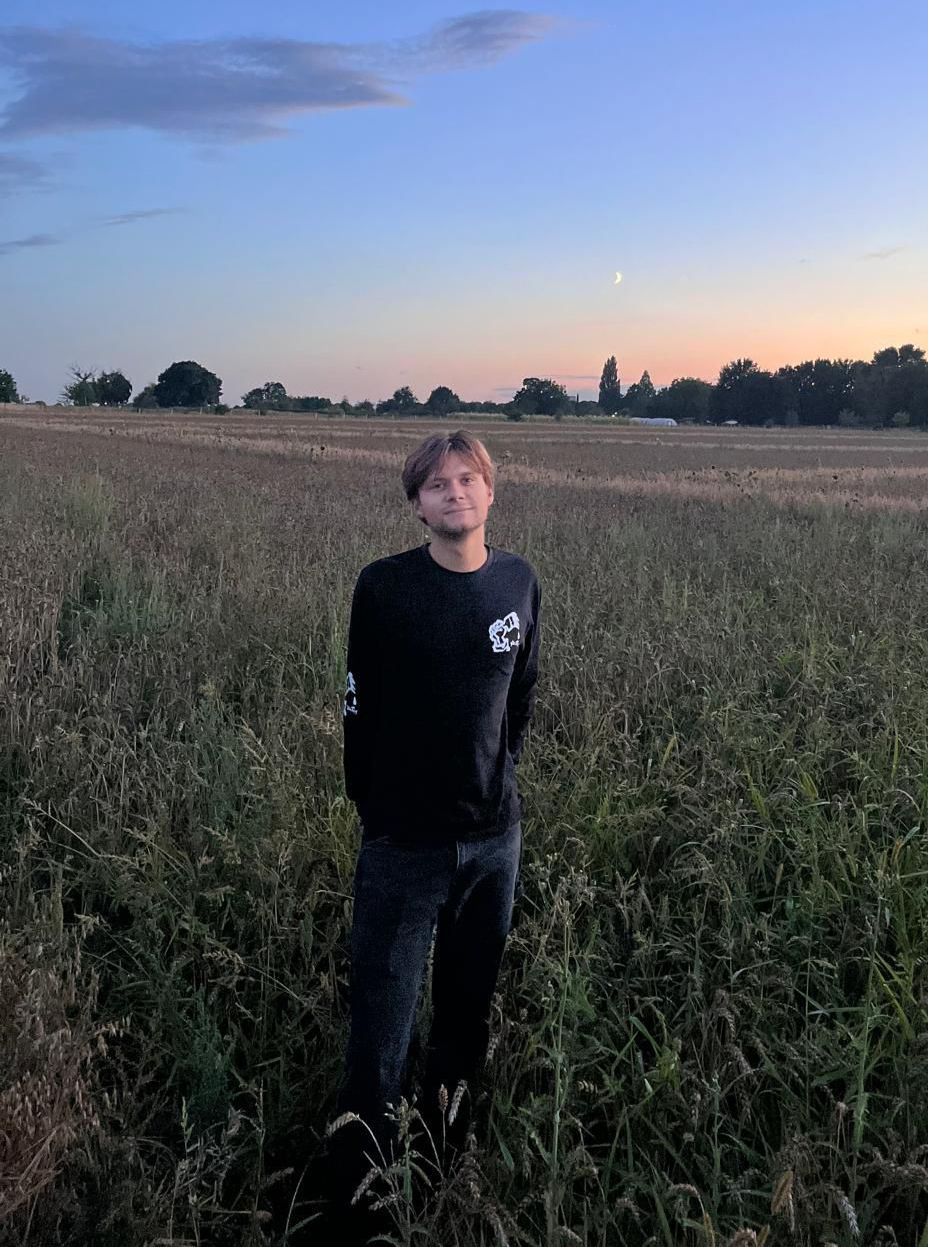
“I think there should be closer ties between the policymakers in Maastricht and the university council and university staff, together with its students.”
Aged 21, Lucas Maurer entered the Maastricht municipal elections, not as a traditional candidate, but as the creative force behind the GroenLinks campaign. As a mathematics and politics student at University College Maastricht, he approached campaigning as a creative and strategic challenge.
“I created all the visual materials, including the flyers, posters, and Instagram posts,” he explains. “I either had a hand in or made any visual material myself”. For Lucas, politics is not only about ideas, but also about how those ideas are communicated and perceived.
A Political Awakening
Lucas’ interest in politics began at an early age and was shaped by global and national events. From watching elections unfold on television to following international leaders, he became fascinated by how politics shapes society. However, his decision to engage more actively came later, triggered by a moment of political unease.
"When the far right won a majority, I found it very hard to look around," he says. "That's when I thought, maybe I should try to change something in this society".
This moment pushed him towards progressive, left-wing politics and ultimately towards the collaboration between GroenLinks and PvdA. It was not just ideology that inspired him, but also cooperation: "It was inspiring to see that both these movements wanted to grow and make their policies a reality".
Unlike many who enter politics through existing connections, Lucas started from scratch. "There was no one in my immediate circle who could help me with that," he explains.
Rather than being a barrier, this absence became a motivation. Joining the party was an independent step that quickly led to active involvement. The structure of the local party played a crucial role. “There isn't really anyone who should have more importance because of their function,” he says, describing a “horizontal” way of working.
This openness enabled him to progress swiftly from newcomer to key contributor. After expressing an interest in campaigning, he was invited to join the campaign team and was given real responsibility.
Campaigning as a Student
Lucas’ role in the campaign was both central and demanding. As the designer of the party’s visual identity, he worked behind the scenes, shaping how the campaign appeared to the public. “Designing flyers and posters easily took up 10 to 12 hours a week,” he explains.
At the same time, he engaged directly with students in his immediate environment.
However, this proved to be more challenging than anticipated. Within Maastricht’s student population, political competition is intense, particularly among left-wing parties. "There were a lot of options for students, but very minor differences between left-wing parties," he notes.
This made campaigning challenging. Rather than convincing students to vote left, he had to explain why they should choose one left-wing party over another. "It was very hard for me to explain why you should vote for me and not the SP," he reflects.
Nevertheless, he maintained a broader perspective: "If you vote for us or the SP, it's both in the right direction". For Lucas, the real opponent was not ideological neighbours, but the rise of right-wing politics.
Within the campaign team, Lucas experienced a level of influence that is rare for someone so new. "Everything I said was taken very seriously," he says. In fact, he felt that he had become "the most influential person at the table" when it came to campaign visibility and strategy.
However, being the only active student also came with limitations. While his ideas were welcomed, the campaign's broader focus remained on the general electorate. "Students weren't ignored, but... they were less of a priority," he explains.
Nevertheless, he considers his contribution to be meaningful. By offering a younger perspective, he helped shape a campaign that resonated more with 18- to 25-year-olds. 'These younger people have been much better represented since I joined the party,” he says.
Balancing Politics and Study
The timing of the elections added pressure: election night fell during exam week at University College Maastricht. “That was definitely annoying,” he admits, noting that his priorities sometimes shifted too much towards the campaign.
The commitment extended beyond academics. "It just costs a lot of free time... but I think that's also reasonable," he reflects. For Lucas, political engagement is a conscious choice that requires sacrifice.
On election night, Lucas found himself at the heart of the political process. Having been invited to both a party gathering and the municipality building, he witnessed the results unfold in real time.
"It was very special," he recalls. "I got to meet leaders of other parties and even the mayor".
However, the experience was also overwhelming. Seeing months of work translated into numbers on a screen evoked a range of emotions. "It was very hard for me to grasp... are you happy or not?" he says.
As a student, his reaction was clear: disappointment. "I was unhappy with the result of the elections as a student," he states, pointing to a fragmented left and stronger conservative blocs.
Reflecting on Students in Maastricht Politics
For Lucas, the issue of student representation is fundamental. "Maastricht is a student city, yet there are almost no students on the council," he says.
He argues that this disconnects policymakers from the student experience. Without student perspectives, decisions risk becoming "top-down", lacking insight into the realities students face.
He believes that his own contribution lies in bringing that perspective to his party, whether through discussions on housing or simply by being present as a young voice.
Lucas identifies several barriers that prevent students from entering politics, such as ideological complexity, the time commitment required, and the local nature of Dutch parties, especially for international students.
Yet he also challenges the idea that formal politics is the only path. “Students are democratically active in other ways, such as joining protests and voicing their opinions,” he says. Nevertheless, one essential action remains: voting.
Reflecting on the experience, Lucas emphasises how much he learned, not just about politics, but also about communication, strategy, and engagement. "This was a very, very educational opportunity," he says.
His ambition extends beyond this campaign. He wants to continue growing and operating at “larger and larger levels” in the future.
At the core of his perspective is a simple yet powerful idea: politics is not something distant. "Everything you do is politics," he says. If Maastricht wants to better represent its students, he believes that stronger connections are the answer. "There should be closer ties between policymakers and the university, together with its students," he concludes.


Comments